




Electroneurodiagnostic Technologist (EEG) Program
Go with the allied health care education leader since 1947 at the Carnegie Institute in Michigan.
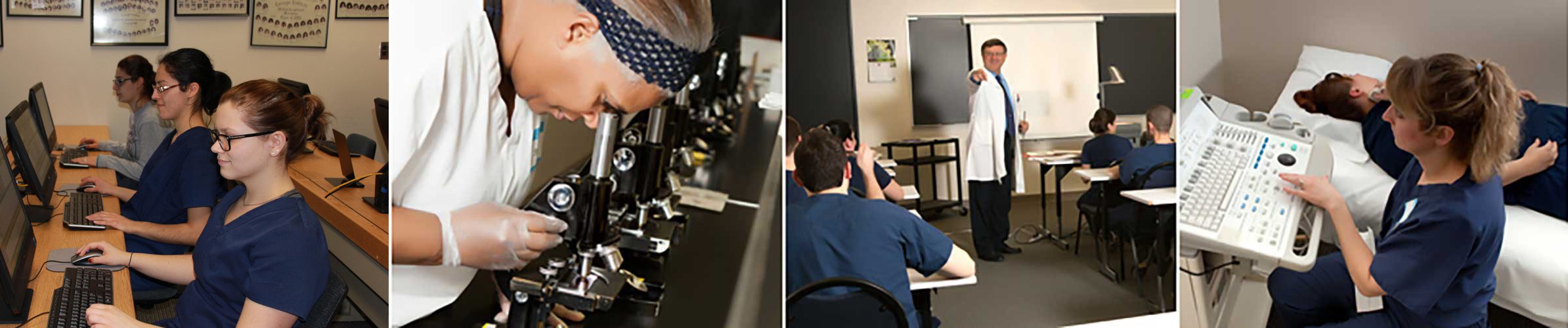
Our online and practical application classes (hybrid training) provide thorough, comprehensive education and working knowledge of required skills and competencies.
Develop confidence in small class sizes, one-on-one instruction, and competent, experienced faculty. Find out why medical employers depend on Carnegie graduates.
The Electroneurodiagnostic (EEG) Technologist Program specializes in non-invasive, technical procedures that assess the brain’s electrical patterns to determine abnormalities indicative of central nervous system disorders.
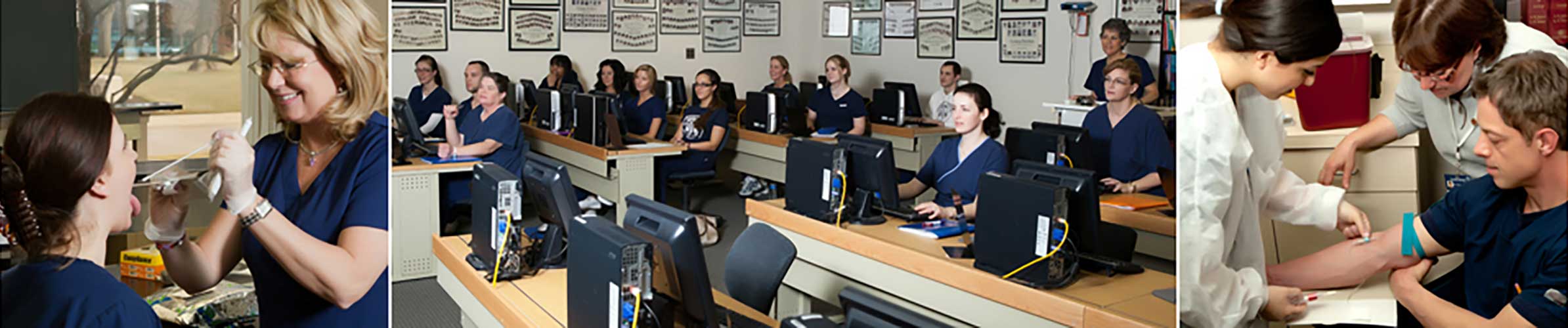
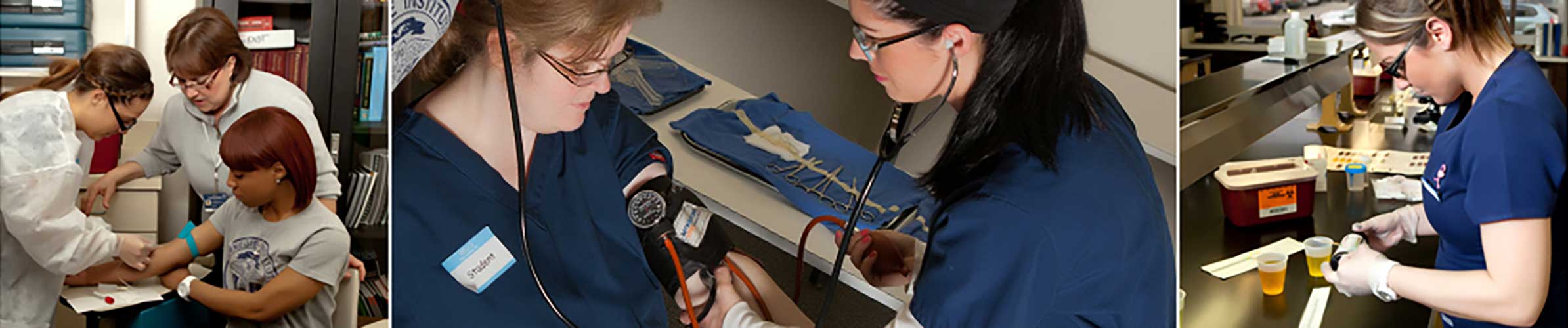
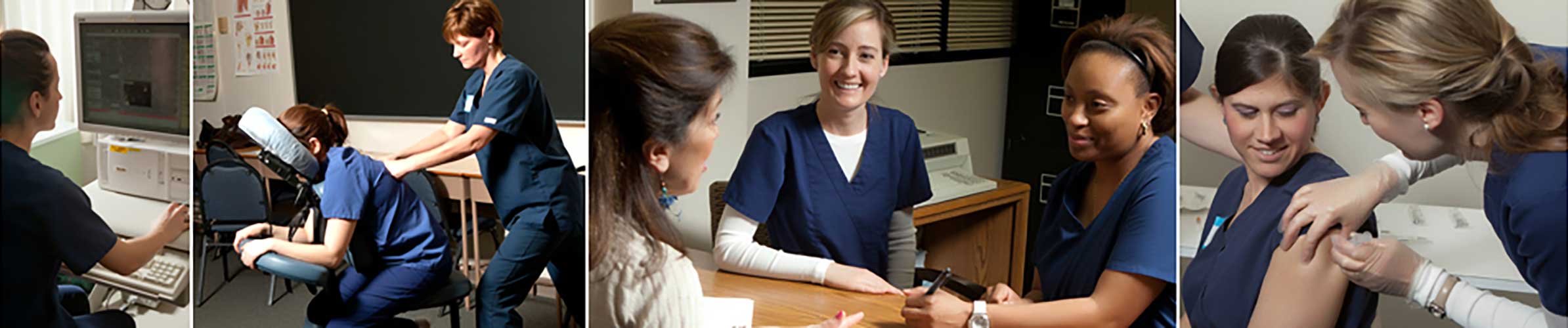
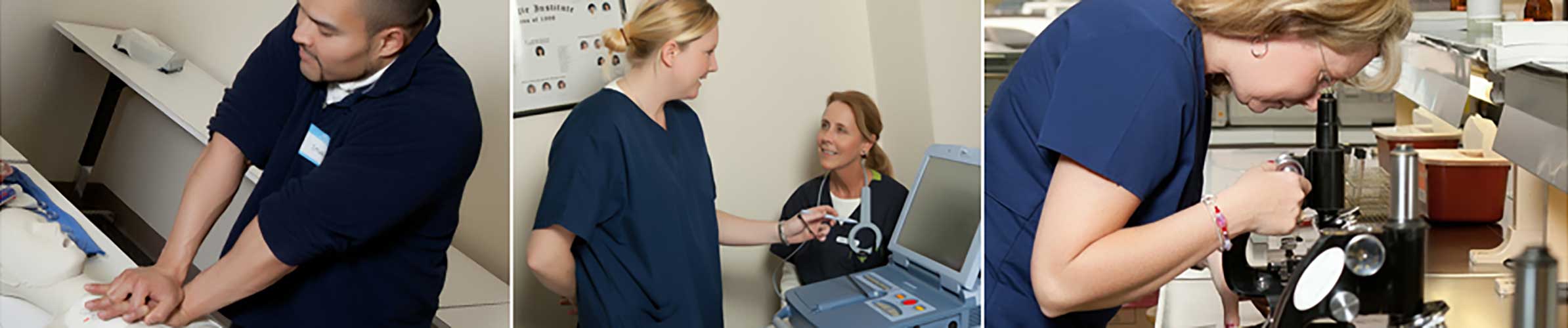
A hybrid lecture format and extensive hands-on application, under the supervision of credentialed, experienced instructors, develop student competence in EEG concepts, EEG measurements, marking, electrode selection, and electrode application.
Students learn to recognize basic EEG waveforms and progress to disorders of the Central Nervous System that cause abnormal EEGs. Seizures, brain tumors, neurologic disorders, and congenital abnormalities are thoroughly explored. These conditions emphasize their effect on the EEG pattern and the patient’s health and well-being.
Carnegie END students learn to become multi-skilled allied health professionals. The END Technologist works under the supervision of a physician, who is responsible for interpreting and correlating the results clinically. The physician is generally not present during the diagnostic testing procedure; therefore, the technologist will recognize and analyze patient data and electrical waveforms during the EEG recording and ensure the information obtained is valid and interpretable.
The minimum expectations of the ENDT program are to prepare competent entry-level neurodiagnostic technologists in the cognitive (knowledge), psychomotor (skills), and affective (behavior) learning domains.
Due to the technical nature of this program, students must have prior training in allied health, recent clinical work experience, and college credits in medical terminology, mathematics, and science.
Classes include
- Anatomy, physiology, and medical terminology, particularly on neuroanatomy, neurophysiology, & pathology, provide students with a strong foundation in neurological functions.
- Pharmacology
- Medical Law & Ethics
- Therapeutic Communication
- Patient Interaction and Documentation
- Basic Life Support (CPR)
- A working knowledge of the principles behind EEG studies enables students to demonstrate an understanding of the interrelated procedures and concepts.
Program emphasis is placed on
- Fundamentals of EEG
- Appropriate electrode placement using the International 10-20 System of head measurement
- Machine operation and instrumentation
- EEG recording concepts
- Waveform morphology
- EEG pattern recognition
Theory instruction is also presented in Evoked Potential testing, emphasizing auditory, visual, and somatosensory modalities.
Is a Career as an Electroneurodiagnostic Technologist Right For You?
Take the Free Healthcare Career Training Readiness Quiz!
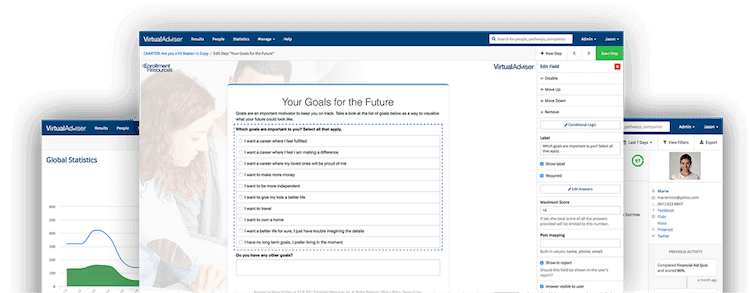
In only 3 minutes, receive a personalized report identifying your strengths and social style. Learn what training & careers are best for you!
Introduction to advanced neurodiagnostic procedures includes
- Long-Term Monitoring (LTM)
- Intraoperative Monitoring (IOM)
- Polysomnography (PSG)
- Nerve Conduction Velocity (NCV)
- Electromyogram (EMG)
The Clinical and Externship Rotation
The clinical/externship rotation is an integral part of the training program. Eligible students are assigned to the school-approved clinical site by the Program Director. They will maintain this rotation until all required hours have been completed within the allotted time frame.
Career Placement
The END Technologist has been employed in hospital neurodiagnostic departments, outpatient clinics, physician offices, and research facilities. Studies may be performed in a laboratory, emergency room, operating room, intensive care unit, special monitoring unit, or at the patient’s bedside. Responsible career entry positions provide opportunities for advancement to competent, credentialed professionals. Check out our completion and placement record!
Medical Employers depend on Carnegie ENDT graduates. You can trust the Carnegie Institute, which has over 75 years of delivering quality education and career placement.
National Credentialing
As a graduate of a program accredited by the Commission on Accreditation of Allied Health Education Programs (CAAHEP), upon recommendation of the Committee on Accreditation for Education in Neurodiagnostic Technology (CoA-NDT), you will be eligible to take the national examination immediately following completion of your training through the American Board of Registration of Electroencephalographic and Evoked Potential Technologists (ABRET).
Memberships
The American Society of Electroneurodiagnostic Technologists (ASET) and the Michigan Society of Electroneurodiagnostic Technologists (MSET) are open to you as a student and graduate.
Other Programs Carnegie Institute Offers
- Cardiac Electrophysiology Technologist
- Cardiology Technician
- Cardiovascular Technologist
- Electroneurodiagnostic Technologist
- Invasive Cardiovascular Technologist
- Massage Therapy
- Medical Assistant (Full-Time and Part-Time)
- Medical Insurance Biller
- Vascular Technologist
Publication of Outcome Results
According to CAAHEP and CoA-NDT Standards, schools must publish outcome results for the Electroneurodiagnostic Technologist Program from the Annual Reports Management System.
The published results are consistent with our 2025 CoA-NDT Annual Report. The results represent a three-year average of outcomes, including positive placement and retention rates, for 2024, 2023, and 2022.
Average Positive Placement Rate: 91.88%
Average Retention Rate: 92.85%
Textbooks & Reference Manuals
| Publisher | Title | Author | ISBN | Price |
|---|---|---|---|---|
| Springer Publishing | Handbook of EEG Interpretation | Tatum | 978-1-6207-0016-7 | $52.00 |
| Wolter/Kluwer | Practical Guide for Clinical Neuro | Yamada | 978-1-60913-714-4 | $131.00 |
| Elsevier | Anatomy & Physiology | Patton | 978-1-2690-5774-5 | $149.00 |
| American Heart Association | BLS for HC Providers | AHA | 978-1-61669-039-7 | $17.00 |